
I recently had the opportunity to sit down with Kevin McCarty, the City of Vernon’s Climate Action Specialist, to learn more about the work underway through Vernon’s Climate Action Plan and some of the programs happening in our community.
Engaging Youth
Kevin and I talked about the important role young people can play in building a more climate-resilient community.
I had read about the Youth Climate Corps but didn’t realize these are paid positions that provide young people with practical career experience while contributing to our community. Their work includes ecological and land restoration, environmental monitoring, agricultural projects, and designing and delivering community workshops. For young people interested in climate and environmental work, it’s a great opportunity to gain hands-on experience.
I was also interested to learn more about the Climate Action Ripple Effect (CARE) program, which works with School District 22. Students are connected with mentors to develop local sustainability projects and can receive course credits for their work.
Our youth will play an important role in how our community adapts and becomes more resilient to a changing climate. These programs allow them to build knowledge and experience while contributing to their community today.
Reducing the Barriers to Taking Action
Something I particularly appreciated about Kevin’s approach is the focus on identifying what gets in the way of people taking action. It might be cost, time, convenience or simply not having enough information to make a decision. The goal is to understand those barriers and find practical ways to reduce them.
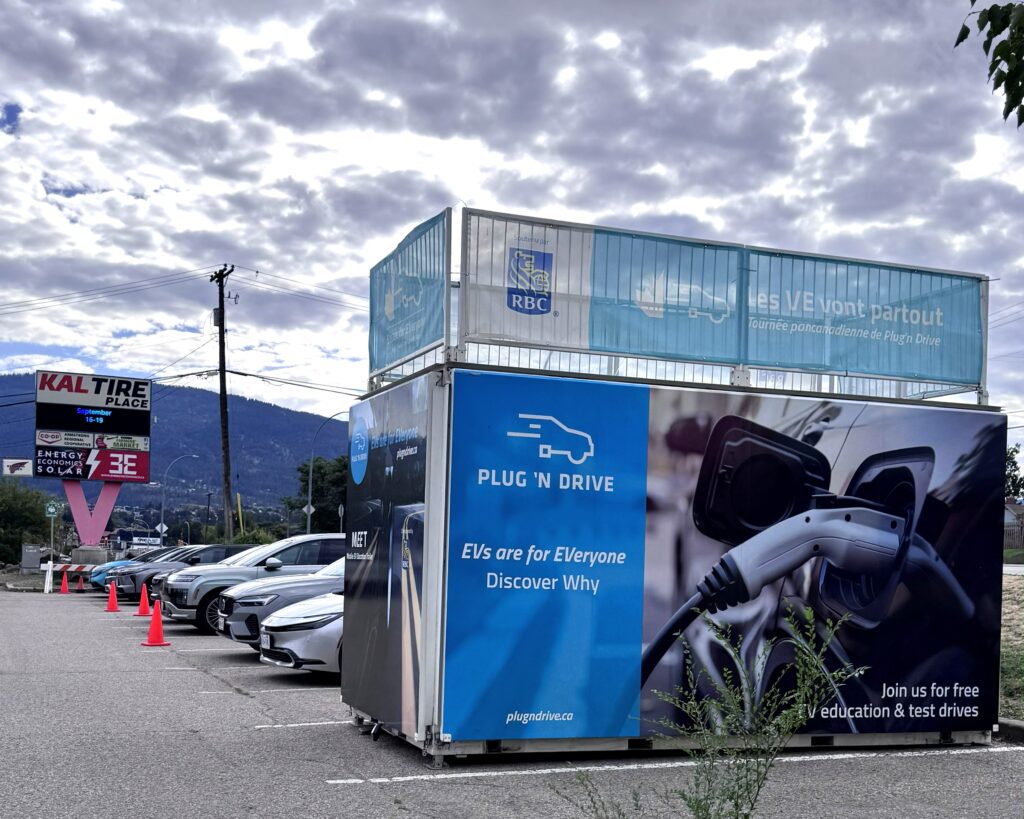
Plug’n Drive is a good example. From September 3 to October 4 at Kal Tire Place, residents can test drive a variety of electric vehicles for free and ask questions about charging, range, operating costs and EV ownership — without the pressure of a sales environment.
The City’s Bike Valet program is another simple example. Providing free, secure and monitored bicycle parking removes one of the barriers that might prevent someone from cycling downtown or to a community event.
It’s not about telling people what choice they should make. It’s about making sure they have information and practical options available to them.
Building a More Resilient Community
Our conversation also reinforced that climate action isn’t only about reducing emissions. It’s also about preparing for conditions we’re already experiencing in the Okanagan — wildfire, smoke, drought, extreme heat and flooding.
The City offers practical resources to help residents prepare, including emergency-preparedness workshops, FireSmart assessments, water-resilience initiatives and workshops that teach people how to make inexpensive home air filters for periods of wildfire smoke and poor air quality.
These are tangible examples of what climate resilience can look like at the community level.
Making Sure People Know What’s Available
One of the biggest challenges Kevin identified is simply getting the word out.
There are programs, workshops, grants and resources available that many residents may not know about. The City currently publishes a quarterly sustainability newsletter, with the hope of moving toward more frequent updates.
Better communication can help ensure residents know what is available and how they can participate.
Find out more about Vernon’s Climate Action and Sustainability programs and sign up for the newsletter here: letstalkvernon.ca/sustainability
From Plans to Results
One of the questions I asked Kevin was whether the City has the people and funding needed to accomplish everything set out in Vernon’s Climate Action Plan.
The City is currently reviewing the Plan and working with external expertise to assess progress, future options and the resources that will be required for implementation. That work will come before Council and will help inform future decisions about priorities and investments.
What I Learned
I came away with a much better understanding of the practical climate work already happening in Vernon — engaging youth, reducing barriers to sustainable choices, and helping residents prepare for the impacts of a changing climate.
I also gained a greater appreciation for the importance of connecting residents with programs and resources that already exist. Sometimes the opportunity is there; people simply don’t know about it.
Looking ahead, I appreciate the work underway to assess what people, funding and other resources will be needed to successfully implement Vernon’s Climate Action Plan. Having a plan is important, but so is understanding what it will take to deliver it.
Thank you, Kevin, for taking the time to share your knowledge and help me better understand both what Vernon is doing today and how the City is planning for the future.
Published: Sept. 16, 2026